Camera-facing emphasis
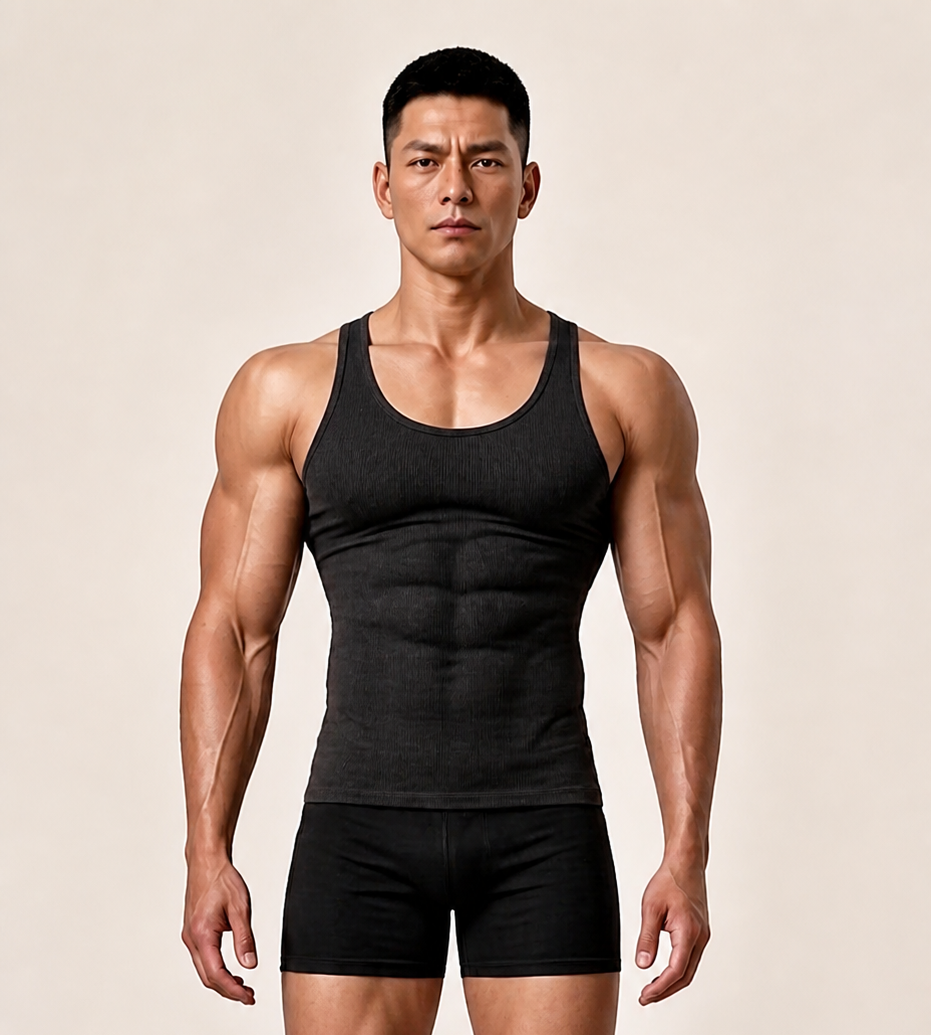
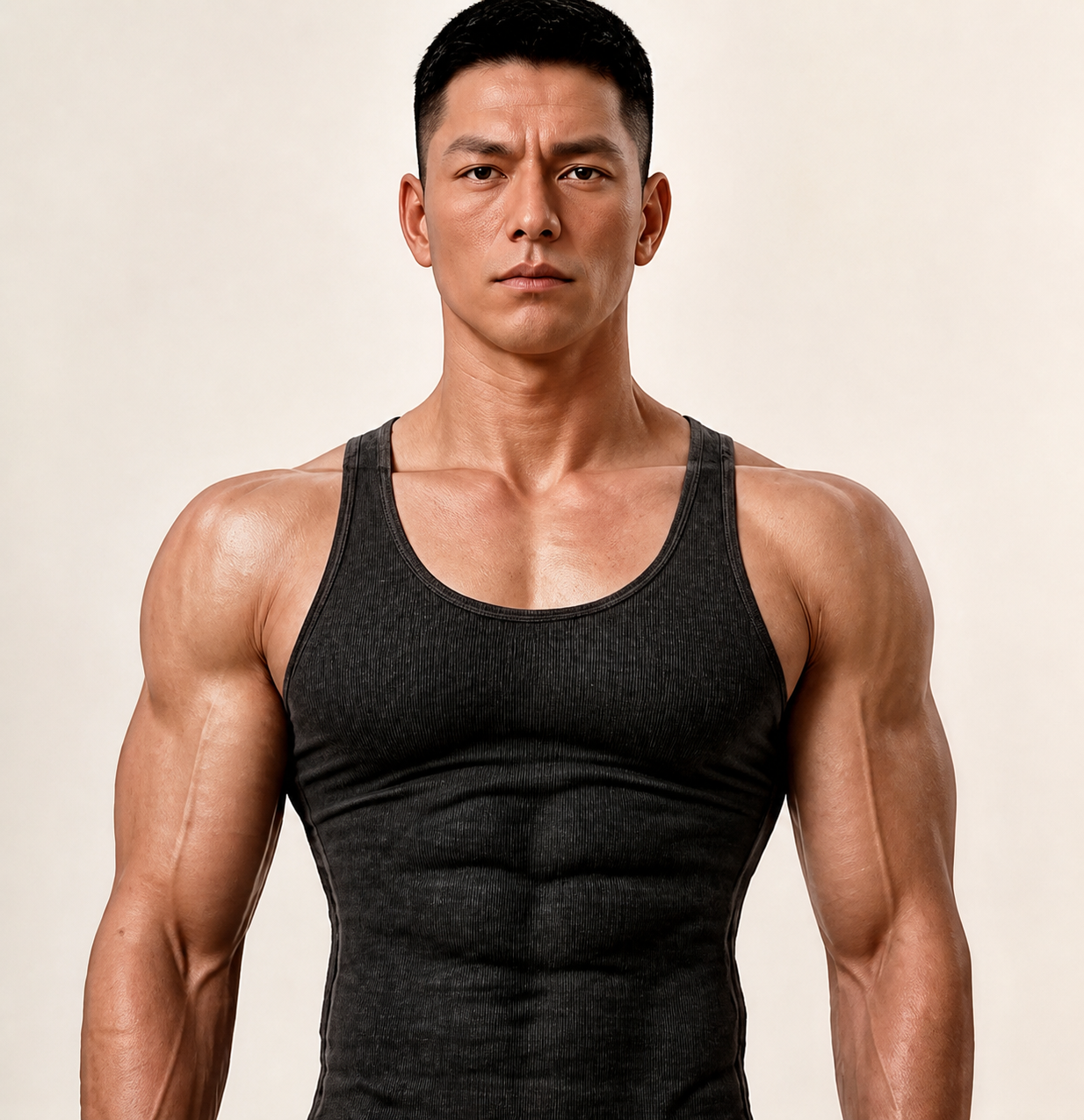
The chest, shoulders, arms and waist are more developed because they are the most visible signs of progress in a front-facing frame.
What might the future fitness consumer look like when their routine is shaped by viral challenges, AI prompts, streaks and the need to show visible progress?
Read Alex's story
CHAPTER 01
The Feed
Fitness content makes some changes easier to notice than others. A front-facing “pump”, a new shoulder line, a sharper arm or a before-and-after crop can turn one narrow result into the whole story.
Alex is an imagined composite of that selection pressure. Their front body is the part that has received the most attention because it is the part most often shown, compared and rewarded.
Alex does not represent one bad workout. Alex represents years of choosing what the feed makes easiest to value.
CHAPTER 02
The Trend
Thirty-day challenges, body-part routines and fast “do this, get that” clips can be motivating. But their promise is usually a visible outcome, not a complete long-term training plan.
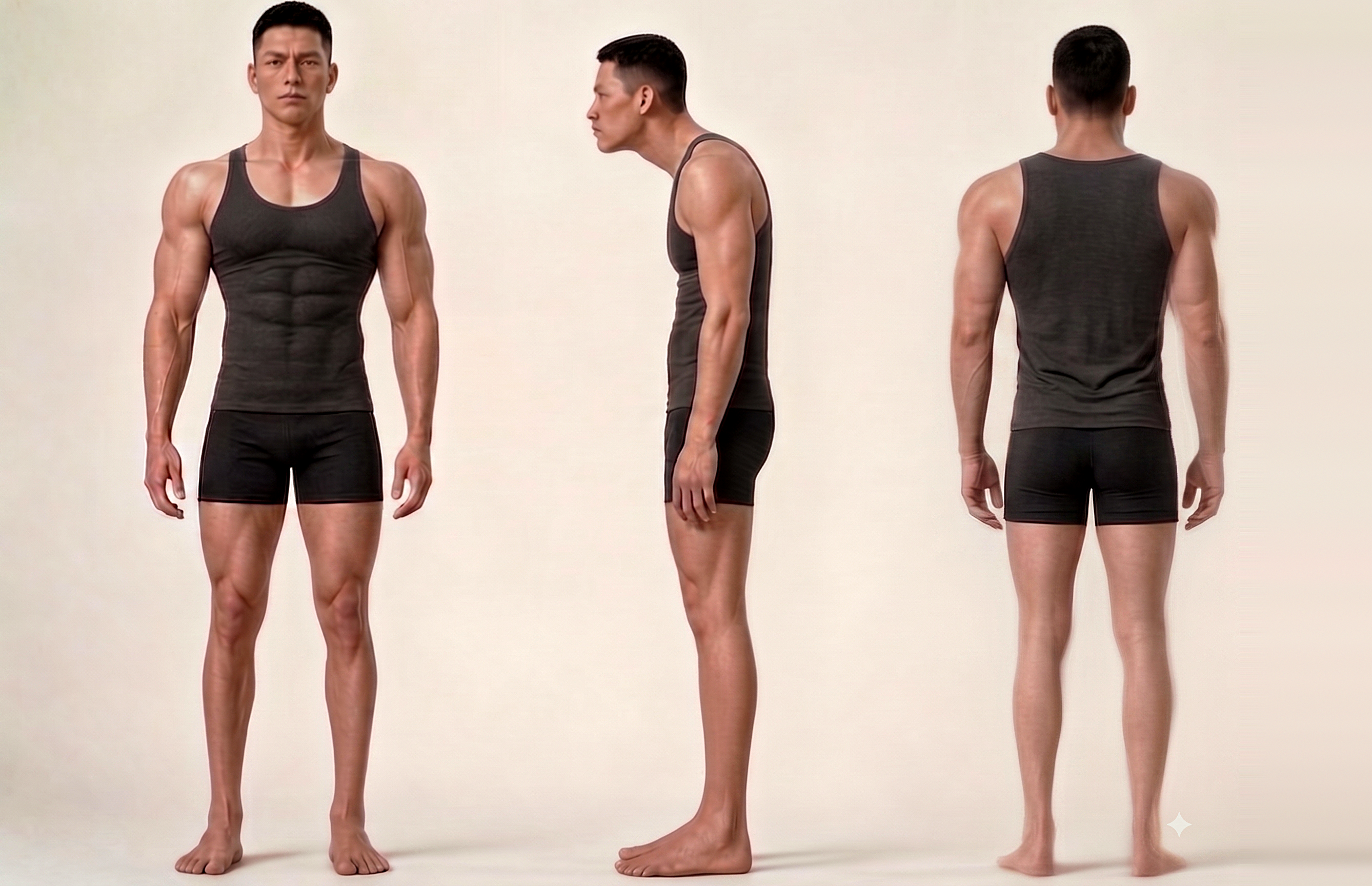
Alex’s mismatch between front and back is a visual metaphor for trend-hopping. The character has accumulated the results that look compelling in a short clip, without one stable idea of what a whole body needs.
The trend is not the villain. The cycle is the story.
CHAPTER 03
The Prompt
AI can make a routine feel immediate, specific and tailored. It can turn the same viral inputs, goals and aesthetic preferences into an answer that appears built for one person.
Alex is not a claim that AI causes a particular body. Alex asks a different question: what happens when trend-led advice arrives with the confidence and convenience of personal coaching?
The prompt can sound personal, even when the underlying signal is the same one everyone else is following.
CHAPTER 04
The Metric
Streaks, rings, check-ins, weekly scores and progress photos can make movement feel satisfying and accountable. They can also narrow attention toward what can be counted, captured and posted.
Alex’s camera-ready front is the imagined result of that narrow lens. The story is not that metrics are bad. It is that no single metric can describe a complete body, a complete programme or a complete relationship with fitness.
When proof is the goal, the frame decides what counts.
CHAPTER 05
The Body
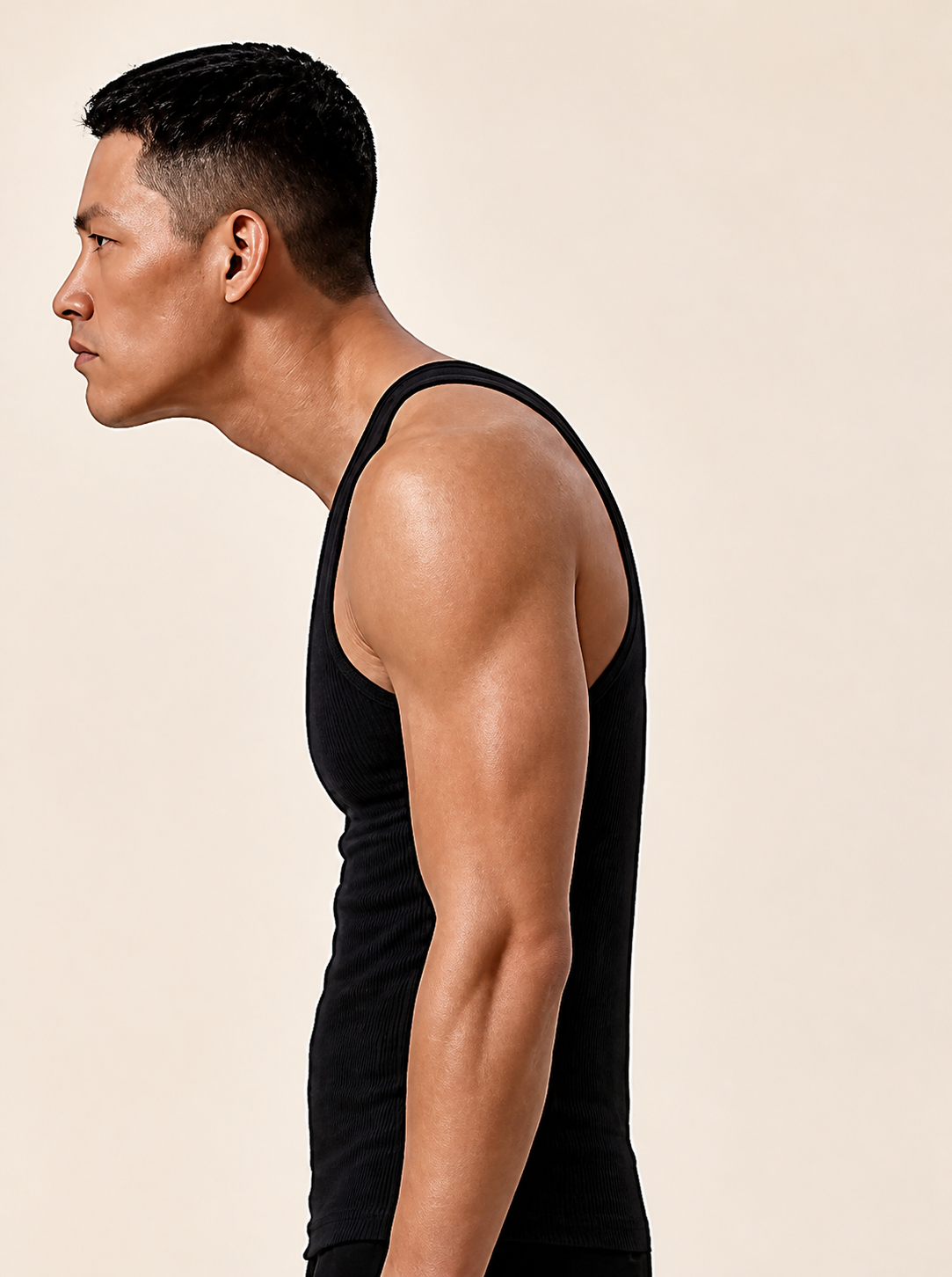
Alex is designed to be inspected. The front view sells a familiar fitness ideal. The profile and back views complicate it.
These are fictional visual metaphors, not diagnoses or predictions. The final editorial rationale should be reviewed by qualified movement and exercise professionals before any public launch.

The chest, shoulders, arms and waist are more developed because they are the most visible signs of progress in a front-facing frame.
The forward-set head and rolled-in shoulder line are a visual cue for the broader screen, prompt and comparison loop around the routine.
The narrower rear body represents the areas that are harder to see, harder to sell in a clip and easier to overlook when routines keep changing.
The lighter lower body completes the “2D” idea: fitness optimised for a crop, not necessarily for balanced movement in every direction.
Methodology
Alex is fictional, deliberately exaggerated and expert-informed in intent. It is not a depiction of a real person, a medical prediction or proof that AI, apps, metrics or viral workouts directly cause these physical outcomes.
Alex combines observable fitness-culture cues into one speculative future person.
Every explanatory claim for publication should be sourced, scoped and validated by qualified movement professionals.
The purpose is to ask what gets prioritised when training becomes content, data and a never-ending stream of prompts.
A Bespoke Fit thought experiment
Alex makes the question visible.
About Bespoke Fit